Dry hands and feet are common, especially during cold weather, after frequent washing, or when you spend a lot of time outdoors. If lotions feel too heavy or you prefer a massage-friendly texture, a body oil may be worth considering. But what makes a good body oil for hands and feet?
The best choice is not necessarily the product with the longest ingredient list. Look for a comfortable texture, a suitable formula, clear application instructions, and a format you will actually use.
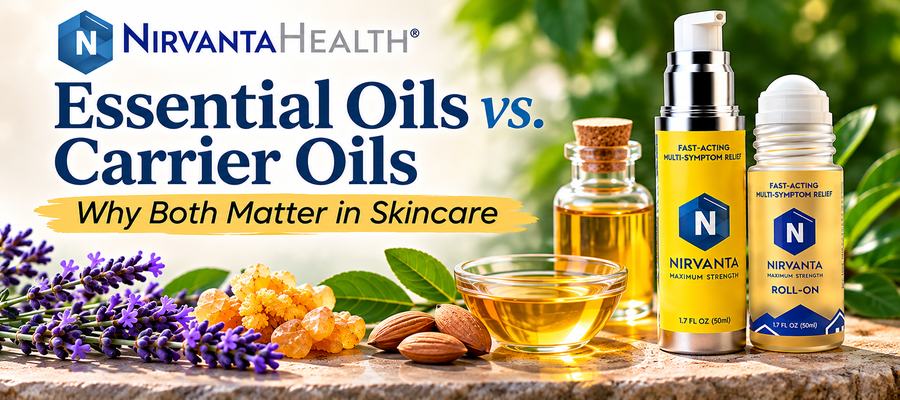
Interested in ready-to-use botanical body oil? Nirvanta Maximum Strength Pump and Roll-On combine essential oils, skin-conditioning carrier oils and proprietary Nirvanta Oil in formats designed for everyday body care on intact skin. Here's how to evaluate that kind of finished blend.
1. Look for Ingredients That Help Keep Skin Soft
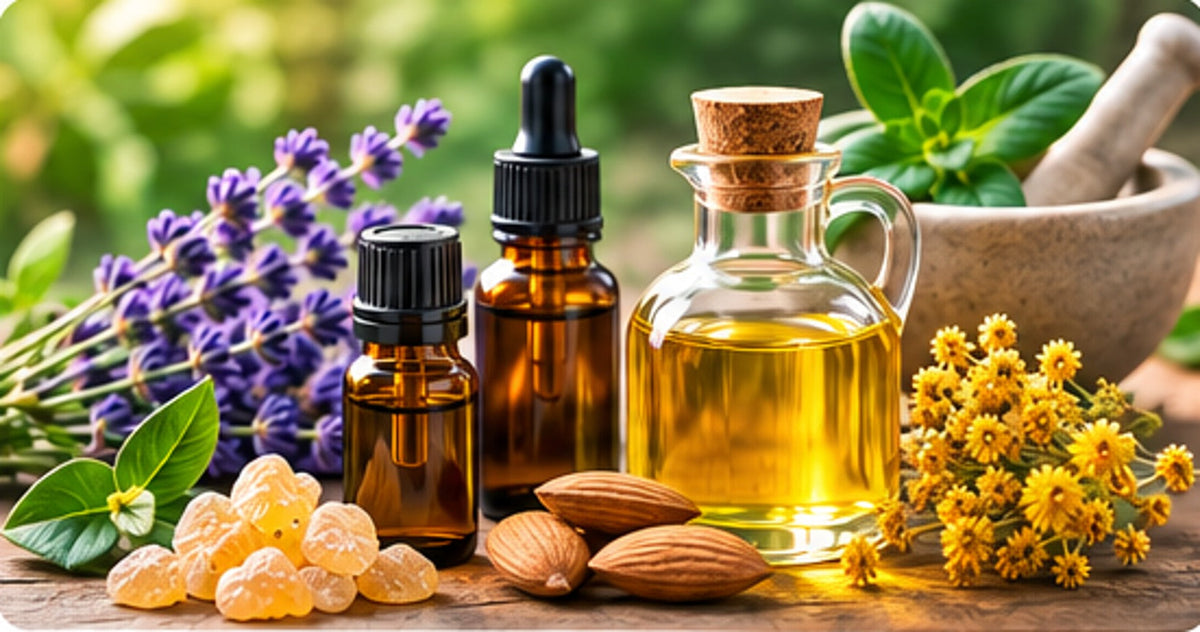
Body oils typically use emollient ingredients, which help skin feel smoother and can help reduce moisture loss. Botanical oils such as sweet almond oil, apricot kernel oil, sunflower seed oil, and jojoba oil are common in personal-care products.
Common botanical carrier oils include sweet almond oil, valued for its smooth, emollient skin feel; sunflower seed oil, which contains skin-conditioning lipids; apricot kernel oil, chosen for a lighter, spreadable texture; and rosehip seed oil, often included in botanical skincare blends. Jojoba is another popular choice but is technically a liquid wax rather than a conventional plant triglyceride oil.
These are cosmetic ingredient characteristics, not evidence that a particular finished oil treats a medical condition. How a product feels depends on its entire formulation and how you apply it. Read our Essential Oils vs. Carrier Oils guide for the distinction.
Essential oils and carrier oils are not interchangeable. Essential oils contain concentrated aromatic components; some can irritate sensitive or dry skin, so more is not always better. If you have allergies or particularly sensitive skin, read the full ingredient list carefully and consider a fragrance-free moisturizer.
2. Decide Whether You Prefer an Oil or a Cream
A body oil can give skin a smooth, conditioned feel and provide slip for massage. Creams and lotions often combine water with oils and other moisturizing ingredients. They may be better suited to people who want a different texture or additional hydration.
You do not have to choose only one. Many people apply a moisturizer to slightly damp skin after washing, and some use an oil as part of their routine. If your skin is persistently cracked, itchy, inflamed, or painful, ask a healthcare professional about appropriate care.
For more on the differences, read our Topical Oils vs. Creams guide and Winter Skin Care for Hands and Feet: Using Botanical Oils.
3. Pay Attention to Texture and Absorption
The ideal body oil should feel pleasant enough that you want to use it consistently. Some oils feel rich and substantial, while others spread easily and leave a lighter finish.
If you dislike a greasy sensation, look for a formulation described as lightweight or non-greasy. Remember that the finished product, not the word botanical on the label, determines how it feels.
4. Choose an Applicator That Fits Your Routine
A pump bottle makes it easy to dispense oil into your palm, then massage it over hands, feet, or other areas of intact skin. A roll-on applies oil directly where you want it, often with less handling during the initial application.
Think about where and when you will use your body oil. A pump may be convenient beside the bathroom sink or on a nightstand. A roll-on can be practical in a desk drawer, overnight bag, or travel kit.
5. Read the Label and Know Your Skin
A botanical label does not mean a product is automatically suitable for everyone. Essential oils, fragrances, and other ingredients can cause irritation in some people. Follow the directions, avoid eyes and broken skin, and stop using a product if you experience irritation.
If you have eczema, an ongoing rash, persistent cracked skin, or another medical condition, seek individualized advice rather than relying on a cosmetic product as treatment.
How Nirvanta Maximum Strength Fits Into Everyday Body Care
Nirvanta Maximum Strength is a physician-formulated botanical topical oil featuring proprietary Nirvanta Oil, along with selected essential oils and skin-conditioning carrier oils. It is designed for convenient application to clean, intact skin on hands, feet, elbows, back and other areas as part of a regular body-care routine. Rather than expecting a single oil to do everything, Nirvanta Health focuses on the overall formula, skin feel and application experience.
Learn more in Professionally Formulated Botanical Oils vs. DIY Mixing, Best Essential Oils for Skin, and our Nirvanta and KeraVanta botanical blends feature.
Choose the Nirvanta Maximum Strength Pump if you prefer dispensing oil into your hands, or the Nirvanta Maximum Strength Roll-On if you prefer a portable applicator for direct application. Both formats emphasize a lightweight, non-greasy feel.
Want both options? Explore the Nirvanta Pump & Roll-On Bundle.
A Simple Hand and Foot Body-Care Routine
- Wash gently with lukewarm water and pat the skin dry.
- Apply your preferred moisturizer according to its label. Using a moisturizer while skin is slightly damp can be helpful.
- If using a cosmetic body oil, apply it to clean, intact skin and gently massage until absorbed.
- Repeat your routine as needed, following the instructions and precautions for each product.
Frequently Asked Questions About Body Oils for Dry Hands and Feet
Which body oil is best for dry hands?
Look for a finished product with emollient ingredients you tolerate, a comfortable texture, clear directions and a convenient format. Sweet almond, sunflower, apricot kernel, rosehip seed and jojoba are common skin-conditioning ingredients. If dryness is severe, a richer cream or ointment may be more appropriate.
What oils are commonly used for dry feet?
Body-care formulas often use sweet almond, sunflower, apricot kernel, rosehip seed or jojoba for emollient feel. Apply only to appropriate intact skin and follow the product label. Persistently cracked or painful feet warrant professional guidance.
Is body oil better than lotion for dry skin?
Not automatically. Body oils can soften and condition the feel of skin, while lotions and creams commonly include water-binding ingredients plus emollients. Choose based on your skin needs and the complete product formulation.
When should I apply body oil?
Many people apply body oil after washing or bathing, on clean, intact skin, and massage it in according to product directions. A moisturizer applied while skin is slightly damp may also be useful.
Can essential oils irritate dry skin?
Yes. Concentrated essential oils and fragranced formulations can irritate skin or trigger allergies in some people. Avoid broken or inflamed skin and discontinue any product that causes irritation.
The Bottom Line
When comparing body oils for dry hands and feet, focus on how the product feels, the ingredients you tolerate, the applicator you prefer, and how easily it fits into your everyday routine. Oils, creams, and lotions all have a place in skin care; the right choice depends on your skin and personal preferences.
Nirvanta Maximum Strength is marketed as a cosmetic body-care oil, not a treatment for medical conditions or a substitute for professional care.
See What Nirvanta Customers Are Saying
Wondering whether Nirvanta Maximum Strength is a fit for your everyday body-care routine? Start with customer feedback on our own website, where you can also compare our Pump and Roll-On options. For additional perspectives, you can search for Nirvanta Maximum Strength on Amazon and browse the reviews available there.
Read Customer Reviews on NirvantaHealth.com | Find Nirvanta on Amazon | Explore the Roll-On
Explore Current Offers When You Shop Direct
Visit NirvantaHealth.com to check the latest bundle prices, offers and shipping thresholds at checkout. Promotions and terms may change.